In modern life science research, kinase assays have become indispensable tools for studying cell signaling, disease pathways, and drug candidate activity. From early-stage target validation to high-throughput compound screening, reliable kinase assay implementation is essential for generating reproducible data and accelerating drug discovery and development.Because kinase activity is closely linked to cancer, inflammation, metabolic disorders, and other major diseases, researchers need assay workflows that are sensitive, scalable, and easy to optimize. In this guide, we explore the best practices for implementing kinase assays, including key assay formats, essential materials, setup strategies, common mistakes, and troubleshooting tips. Whether you are establishing a new workflow or improving an existing platform, these recommendations can help you achieve stronger assay performance and more dependable results.
Kinases are enzymes that catalyze the transfer of phosphate groups to specific substrates, regulating critical cellular functions such as proliferation, metabolism, apoptosis, and signal transduction. Because abnormal kinase activity is associated with many diseases, kinase assays are widely used to:
Measure enzyme activity
Identify kinase inhibitors or activators
Validate therapeutic targets
Study signaling pathways
Support lead discovery and optimization
In pharmaceutical and biotechnology research, kinase assays play a central role in screening potential compounds and evaluating their biological effects. As the market for kinase inhibitors continues to expand, the need for robust, reproducible, and high-sensitivity kinase assay platforms is greater than ever. A well-designed kinase activity kit can improve data quality, reduce false positives or false negatives, and shorten development timelines. For this reason, choosing the right reagents, detection system, and optimization strategy is critical for any research team.
To implement a successful kinase assay, laboratories need reliable materials, compatible instrumentation, and carefully controlled assay conditions. Core requirements typically include:
The accuracy of any kinase assay begins with reagent quality. Researchers should use:
Purified kinase enzymes
Validated peptide or protein substrates
ATP or ATP analogs
Reaction buffers optimized for enzyme activity
Reference inhibitors or controls
High-quality reagents can significantly improve assay sensitivity, reproducibility, and signal consistency.
Different kinase assay formats are available depending on throughput needs, sensitivity requirements, and assay complexity. Common detection technologies include:
Luminescent kinase assays
TR-FRET kinase assays
Fluorescence-based assays
Radioactive assays
ELISA-based phosphorylation detection
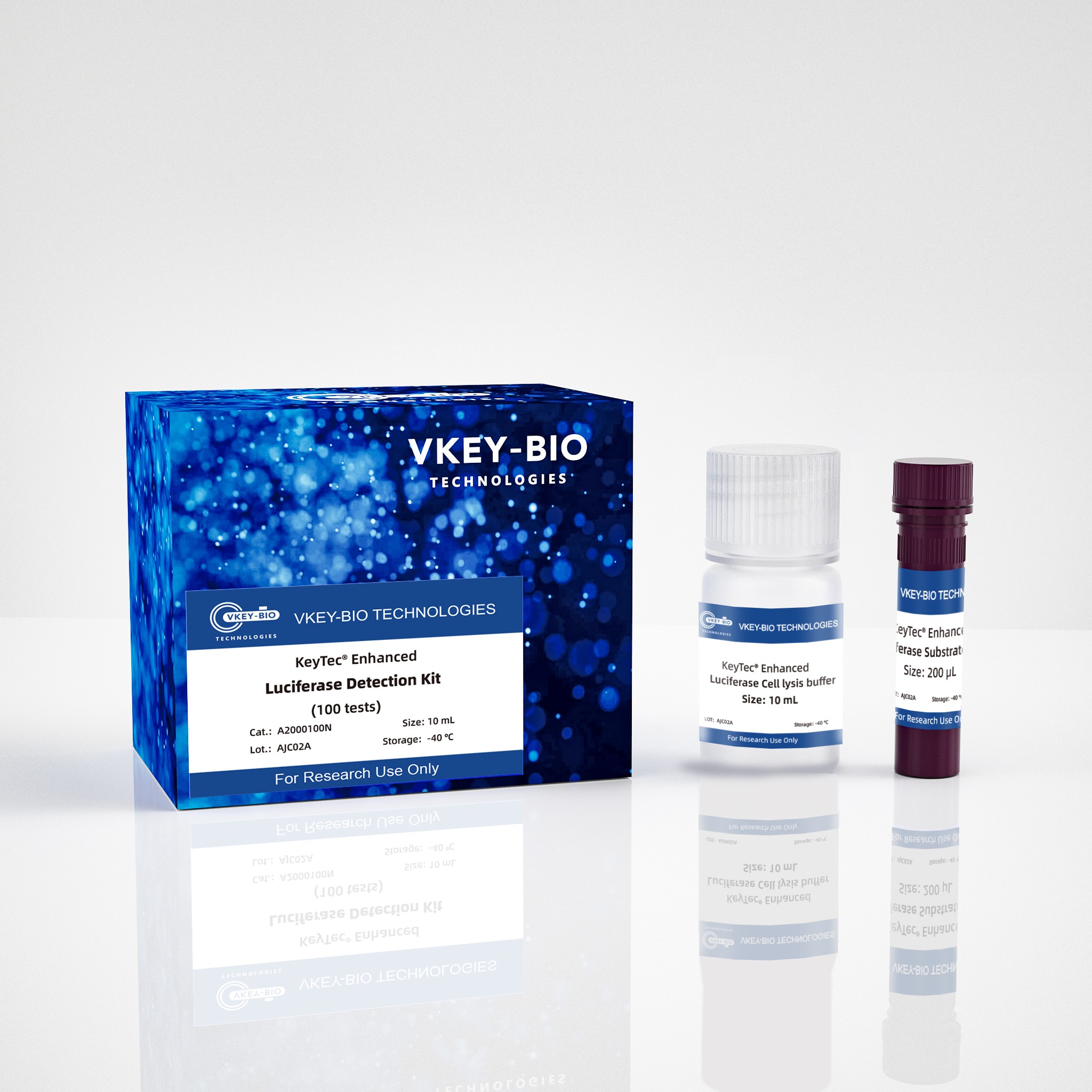
Among these, luminescent reporter systems and TR-FRET technologies are especially popular for their high sensitivity, broad compatibility, and suitability for high-throughput screening. In particular, the use of a dual luciferase reporter assay kit enables precise normalization of transfection efficiency and enhances data reliability in kinase signaling studies.
Essential equipment and consumables may include:
96-, 384-, or 1536-well microplates
Plate readers compatible with luminescence or fluorescence detection
Automated liquid handling systems
Plate sealers
Incubators
Temperature-controlled storage systems
Proper storage and handling of these materials are equally important, as enzyme degradation, contamination, or inconsistent incubation conditions can directly affect assay performance.For laboratories seeking reliable biochemical assay solutions, providers such as VKEY-BIO Technologies offer specialized platforms, assay reagents, and custom support services tailored to kinase research applications.
A successful kinase assay workflow requires more than simply mixing reagents. It involves careful planning, optimization, and validation at every stage.
Before selecting an assay format, determine the main purpose of the experiment. Common goals include:
Measuring basal kinase activity
Screening inhibitor libraries
Comparing compound potency
Profiling selectivity across kinase panels
Studying pathway regulation
A clear objective will help guide assay design, detection method selection, and data analysis. In experiments where kinase signaling intersects with DNA repair or cellular stress responses, incorporating a DNA damage response assay alongside kinase measurements provides a more comprehensive understanding of pathway activation and cellular outcomes.
Always prepare fresh reagents according to validated protocols or manufacturer recommendations. Pay close attention to:
Enzyme concentration
ATP concentration
Substrate purity
Buffer composition
Cofactor requirements
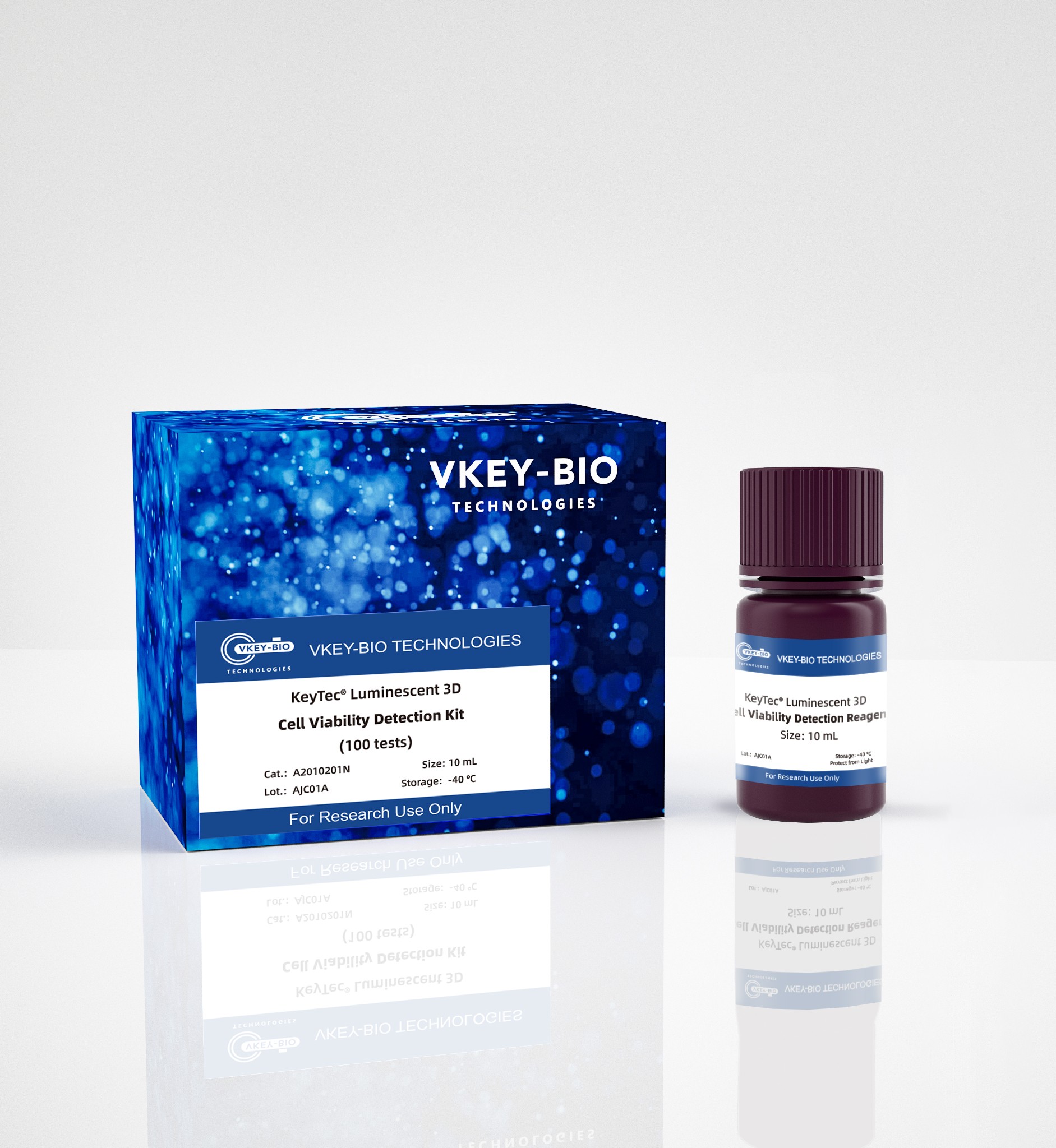
For example, optimized luminescent systems such as the KeyTec® Luminescent Platform from VKEY-BIO can support robust kinase activity detection while simplifying assay workflows.
Assay conditions should be carefully adjusted to achieve the best signal window and reproducibility. Key variables include:
Enzyme amount
Substrate concentration
ATP level
Reaction time
Incubation temperature
pH and ionic strength
Pilot experiments are highly recommended before large-scale screening. Small changes in ATP or enzyme concentration can substantially impact assay sensitivity and compound ranking.
Control design is essential for assay reliability. At a minimum, include:
Positive controls for kinase activity
Negative controls without enzyme or substrate
Blank controls for background signal
Reference inhibitor controls for assay validation
These controls help researchers distinguish real activity from noise, contamination, or reagent instability.
Once the reaction is complete, use the appropriate detection method based on assay type. Ensure that:
Detection reagents are added uniformly
Plate reading parameters are properly configured
Signal integration times are optimized
Edge effects are minimized across microplates
Consistency during this stage is critical for obtaining clean, interpretable data.
Use appropriate software tools and statistical methods to assess performance. Important parameters may include:
Signal-to-background ratio
Signal-to-noise ratio
Z’-factor
IC50 or EC50 values
Replicate consistency
Reliable data analysis is essential for reducing interpretation errors and supporting confident downstream decisions.
Even well-designed kinase assays can produce misleading results if common issues are overlooked. Below are several frequent challenges and ways to prevent them.
Without proper positive and negative controls, it becomes difficult to determine whether observed changes reflect true kinase activity. Always build a control strategy into assay design from the beginning.
Low-quality enzymes, degraded substrates, or unstable detection reagents can reduce assay sensitivity and reproducibility. Work with trusted suppliers and store materials under recommended conditions.
Incorrect ATP or substrate concentrations may lead to poor dynamic range or inaccurate inhibitor profiling. Assay optimization should be based on enzyme kinetics whenever possible.
Background noise may result from contamination, non-specific binding, or improper plate handling. Use clean consumables, verify buffer composition, and monitor for assay interference.
Raw assay signals alone are not enough. Statistical evaluation and assay quality metrics are necessary to confirm that the data are meaningful and reproducible.To help reduce these risks, many research teams rely on assay development support from specialized solution providers like VKEY-BIO Technologies, which offers customized services for biochemical and cell-based assay workflows.
When assay performance falls below expectations, a structured troubleshooting process can help identify the root cause quickly.
Possible causes:
Low enzyme activity
Incorrect substrate concentration
Inactive detection reagents
Improper storage conditions
Solutions:
Verify enzyme integrity
Increase enzyme or substrate concentration carefully
Confirm reagent freshness
Recheck incubation time and temperature
Possible causes:
Plate contamination
Non-specific interactions
Excess detection reagent
Improper washing or sealing
Solutions:
Use fresh plates and filtered buffers
Reduce non-specific binding through optimized buffer design
Validate reagent volumes
Improve plate handling consistency
Possible causes:
Pipetting variability
Inconsistent incubation
Edge effects in microplates
Inadequate mixing
Solutions:
Use automated liquid handling where possible
Standardize incubation timing
Avoid using problematic edge wells if necessary
Mix reagents thoroughly but gently
Possible causes:
Compound interference with detection chemistry
Solubility issues
Aggregation
Off-target effects
Solutions:
Run orthogonal assays
Perform dilution series
Check compound solubility
Compare results across multiple assay formats
Consulting detailed technical protocols and application notes from experienced assay suppliers can further streamline troubleshooting and improve assay robustness.
Not all kinase assays are equally suited to every research application. Selecting the right platform depends on factors such as:
Throughput requirements
Sensitivity expectations
Available instrumentation
Budget constraints
Biochemical versus cell-based design
Need for customization
For example, luminescent kinase assays are often preferred for high sensitivity and simple workflows, while TR-FRET assays may be ideal for homogeneous screening formats with strong specificity. A platform chosen according to experimental goals can save time, reduce cost, and improve reproducibility.This is where solution-oriented partners such as VKEY-BIO Technologies can add value by providing assay platforms, technical support, and custom assay development services for specialized kinase applications.
Kinase assays are foundational tools in life sciences, especially in drug discovery, target validation, and pathway research. Their success depends on far more than reagent selection alone: researchers must also optimize assay conditions, establish strong controls, apply reliable detection methods, and use rigorous data analysis.By following these best practices, laboratories can improve assay robustness, reduce experimental variability, and generate more actionable biological insights. As demand grows for accurate and scalable kinase assay solutions, working with experienced providers such as VKEY-BIO Technologies can help research teams accelerate discovery while maintaining confidence in their data.If your lab is looking for advanced kinase assay reagents, luminescent detection platforms, or custom assay development support, exploring specialized solutions from VKEY-BIO may be a valuable next step.
What is a kinase assay used for?
A kinase assay is used to measure kinase enzyme activity, evaluate signaling pathways, and screen compounds in drug discovery.
Which kinase assay format is best for high-throughput screening?
Luminescent and TR-FRET kinase assays are commonly preferred for high-throughput screening because of their sensitivity, scalability, and ease of automation.
How can I improve kinase assay reproducibility?
Use high-quality reagents, optimize ATP and substrate concentrations, include proper controls, and standardize incubation and detection conditions.
What causes low signal in a kinase assay?
Low signal may be caused by inactive enzyme, degraded substrate, incorrect buffer composition, or poor detection reagent performance.
Why are kinase assays important in drug discovery?
They help researchers identify and characterize compounds that modulate kinase activity, supporting target validation, lead discovery, and therapeutic development.

 English