The interleukin-17 (IL-17) family is a critical node in the body's immune regulatory network, with physiological functions that act as a "double-edged sword": under homeostatic conditions, IL-17 participates in mucosal barrier maintenance, tissue repair, and host anti-infection defense; however, excessive or persistent IL-17 signaling drives the development of various autoimmune diseases (psoriasis, ankylosing spondylitis, rheumatoid arthritis, inflammatory bowel disease, etc.) as well as tumor initiation and progression.
The IL-17 family comprises six members (IL‑17A–IL‑17F), among which IL‑17A and IL‑17F share the highest homology (approximately 55%). They can form homodimers (AA, FF) or heterodimers (AF). These dimers bind to their receptor complex – primarily the heterodimer composed of IL‑17RA and IL‑17RC – activating downstream NF‑κB and MAPK signaling pathways, which in turn induce the expression of chemokines and matrix metalloproteinases, exacerbating chronic inflammation (Figure 1).
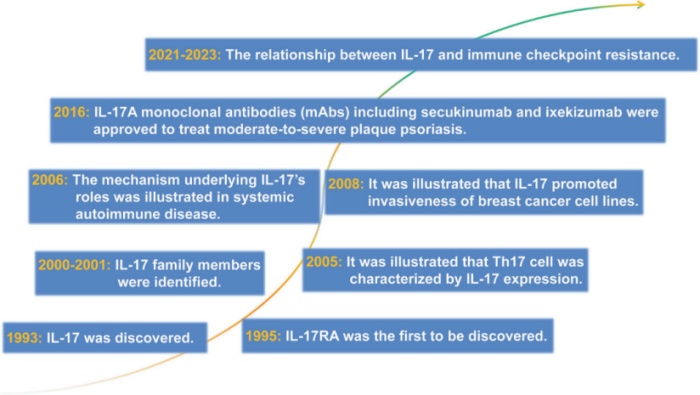
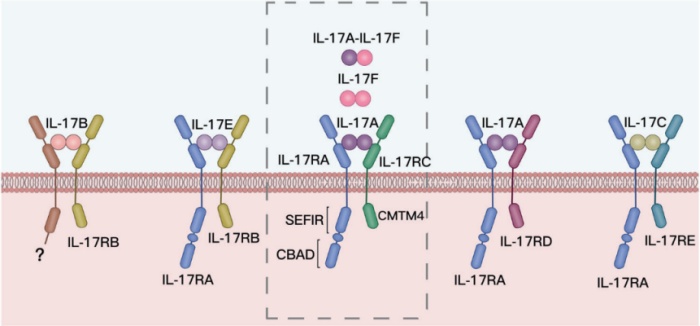
Figure 1. Timeline of IL-17 family research and receptor composition schematic
(Source: DOI:10.1038/s41392-023-01620-3)
Shows key milestones from the cloning of IL-17A in 1993 to recent monoclonal antibody approvals; the receptor family includes five subunits (IL‑17RA–RE), among which IL‑17A/F/AF primarily signal through the IL‑17RA/RC complex, with binding affinity order AA > AF > FF.
Initiation of IL-17 signaling depends on receptor complex assembly and recruitment of the adaptor protein Act1. Act1 binds to IL-17R via its SEFIR domain, subsequently recruiting factors such as TRAF6 to activate three major downstream cascades: NF-κB and MAPK (JNK, p38, ERK). In addition, IL-17 signaling post‑transcriptionally regulates target gene mRNA stability through various RNA‑binding proteins (e.g., HuR, ARID‑5A, Regnase‑1), forming a finely tuned positive and negative feedback regulatory network (Figure 2).
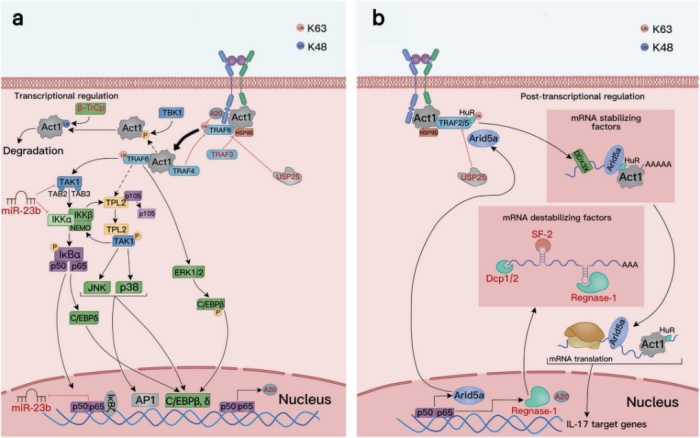
Figure 2. Common IL-17 signaling pathway
(Source: DOI:10.1038/s41392-023-01620-3)
Shows that IL-17 activates NF‑κB and MAPK pathways via the Act1‑TRAF6 axis, while also inducing negative regulators such as A20 and USP25; at the post‑transcriptional level, Act1 and HuR enhance mRNA stability, whereas Regnase‑1 and SF‑2 accelerate mRNA degradation, collectively determining the intensity and duration of the inflammatory response.
Targeting the IL‑17/IL‑17R interaction has become a hotspot in antibody drug development. Bimekizumab – a bispecific monoclonal antibody that simultaneously neutralizes IL‑17A and IL‑17F – has been approved for the treatment of moderate‑to‑severe plaque psoriasis, further validating the clinical value of simultaneously blocking multiple IL‑17 ligand‑receptor interactions. However, different IL‑17 isoforms (AA, FF, AF) exhibit distinct binding affinities and blockade characteristics with IL‑17RA, underscoring the need for detection tools that can distinguish and evaluate each isoform interaction to support more refined drug screening and mechanistic studies.
VKEY-BIO has launched three new TR‑FRET (Time‑Resolved Fluorescence Resonance Energy Transfer) homogeneous assay kits, targeting Human IL‑17FF/IL‑17RA, IL‑17AA/IL‑17RA, and IL‑17AF/IL‑17RA protein‑protein interactions, respectively. Each kit provides a complete detection system, including biotinylated ligand, Solar Eu‑labeled streptavidin (SA), LA‑labeled IL‑17RA receptor protein, and the standard blocking antibody Bimekizumab as a positive control, enabling you to easily establish a high‑throughput screening platform.
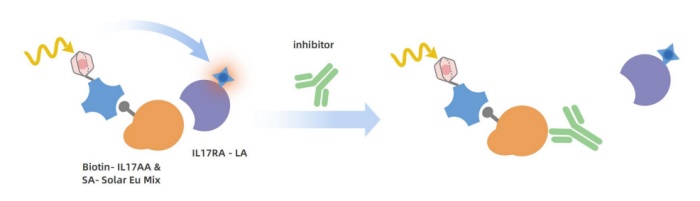
Figure 3. Schematic diagram of the detection principle
Based on the TR‑FRET principle, utilizing energy resonance transfer between donor (Solar Eu) and acceptor (LA):
Donor: Solar Eu‑labeled SA pre‑binds to biotinylated IL‑17FF/AA/AF (homodimers or heterodimer) to form a complex;
Acceptor: LA‑labeled IL‑17RA protein;
Signal generation: When the ligand (IL‑17 isoform) binds to the receptor (IL‑17RA), the donor and acceptor are brought into proximity; upon excitation at 320 nm, the donor emits at 620 nm and the acceptor emits at 665 nm;
Signal detection: Read the 665 nm/620 nm ratio (TR‑FRET Ratio); a higher ratio indicates stronger binding;
Inhibition effect: Addition of blocking compounds, peptides, or antibodies disrupts the interaction, causing a decrease in the 665 nm signal.
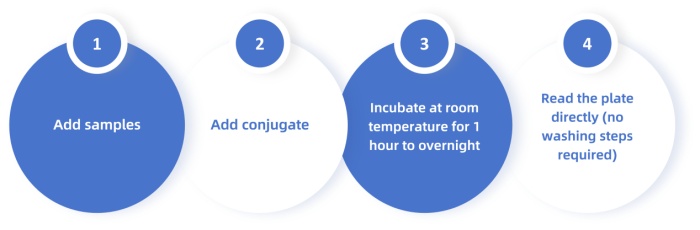
The operation requires only 4 steps:
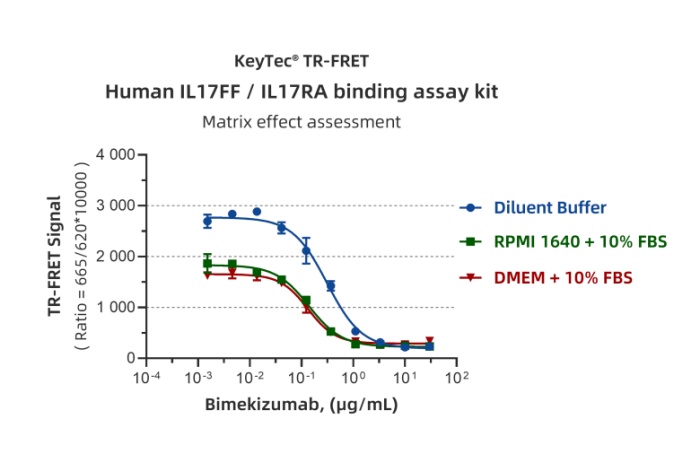
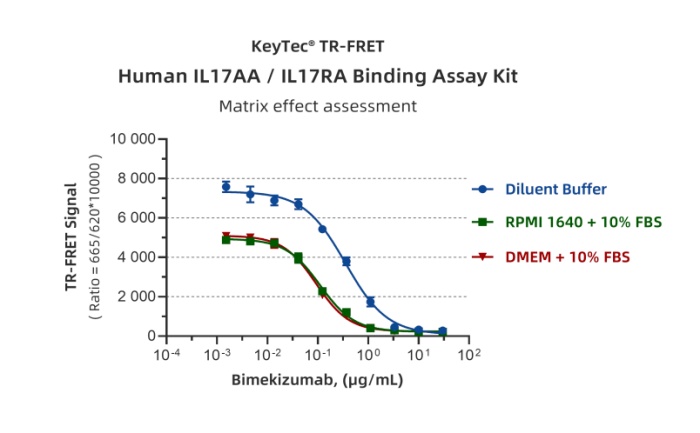
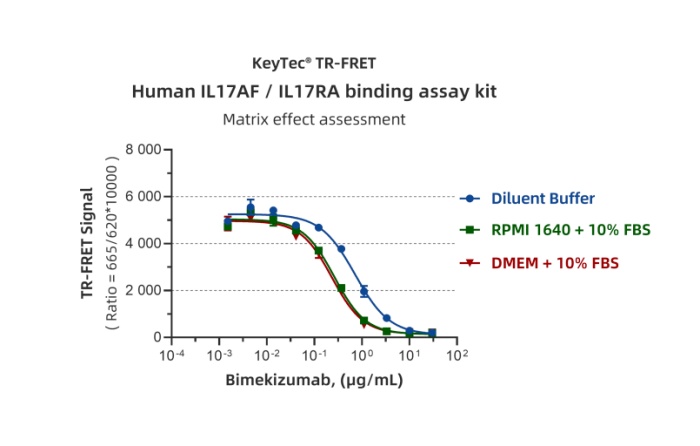
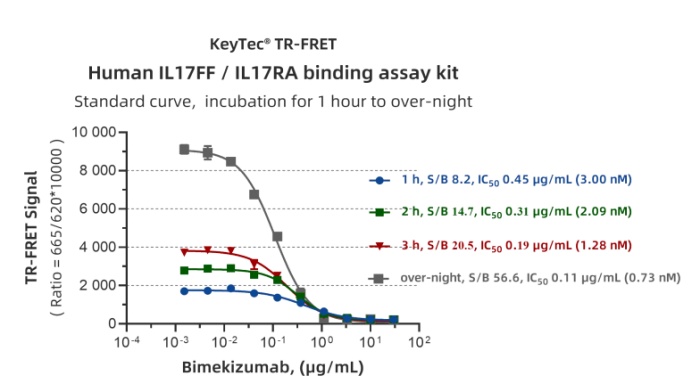
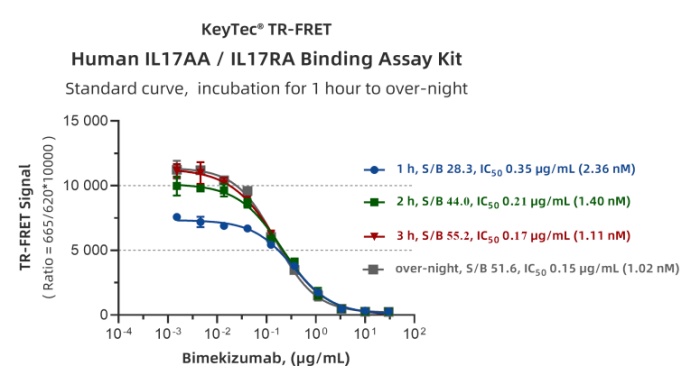
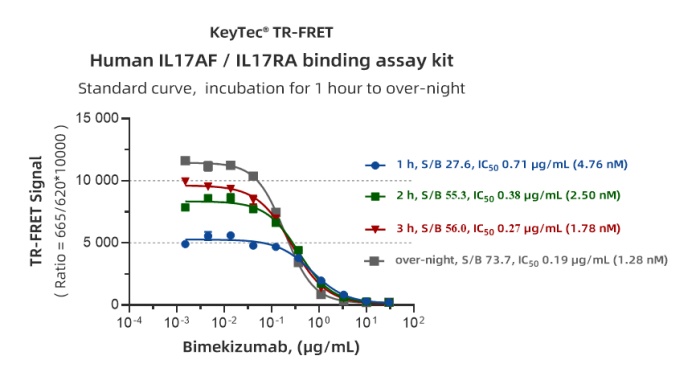
Each kit demonstrates excellent signal window and gradient resolution:
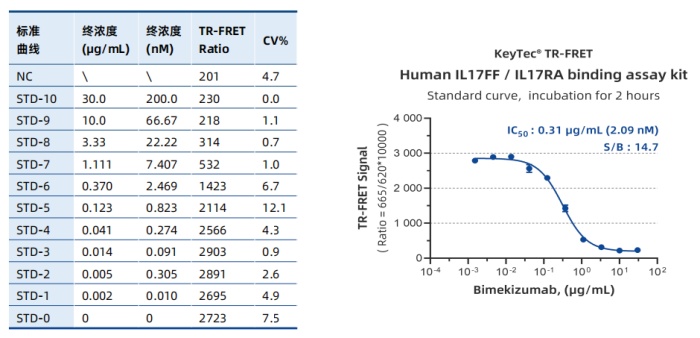
Figure 4. IL17FF/IL17RA kit standard curve
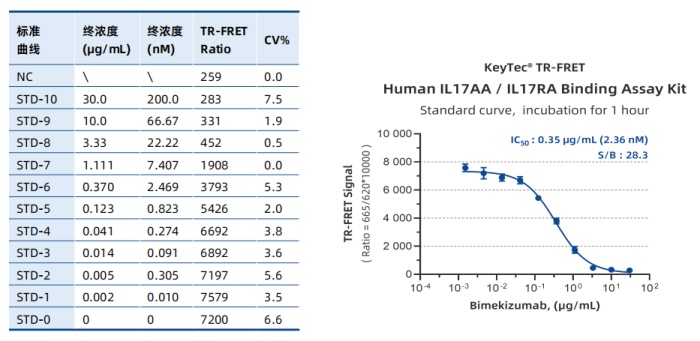
Figure 5. IL17AA/IL17RA kit standard curve
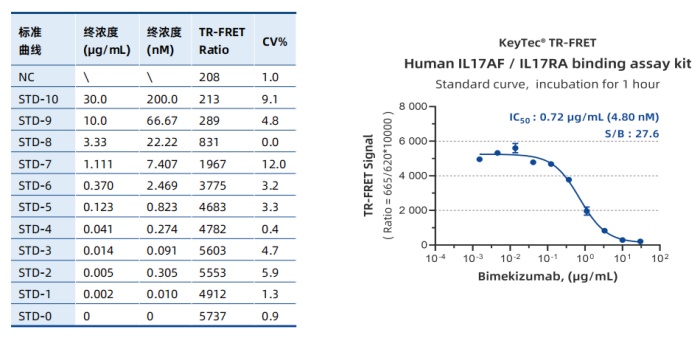
Figure 6. IL17AF/IL17RA kit standard curve
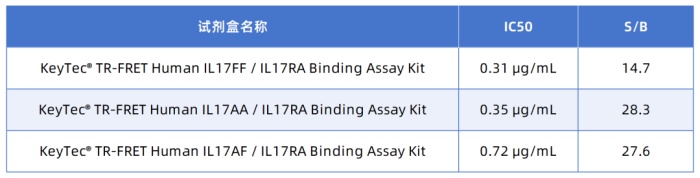
Performance data comparison for the three kits:
The kits support standard curve preparation using Diluent Buffer or the same matrix solution as the test samples (e.g., DMEM medium containing 10% FBS). Validation data show that Bimekizumab inhibition curves are highly overlapping under different matrix conditions, with minimal matrix effect interference – particularly suitable for direct detection of cell culture supernatants or serum samples.
Validation results indicate that incubation at room temperature for 1 hour to overnight shows no significant drift in signal window or IC50. You can freely choose incubation duration according to your experimental schedule; overnight incubation does not cause signal decay.
Isoform selectivity analysis tool: Few products on the market offer three independent kits for AA, FF, and AF simultaneously, helping you precisely determine whether a candidate drug targets a specific dimer or possesses broad‑spectrum blocking capability;
Easy to operate: All key components are provided as high‑concentration stock solutions (400×); simply dilute to 4× working solution according to the instructions to quickly initiate screening;
Built‑in positive reference: Each kit includes Bimekizumab as standard, eliminating the need to source or synthesize control antibodies on your own, significantly lowering the barrier to experimental setup.
High‑throughput screening (HTS) of small‑molecule inhibitors, peptides, and antibody drugs;
Analysis of binding specificity and selectivity among different IL‑17 isoforms.
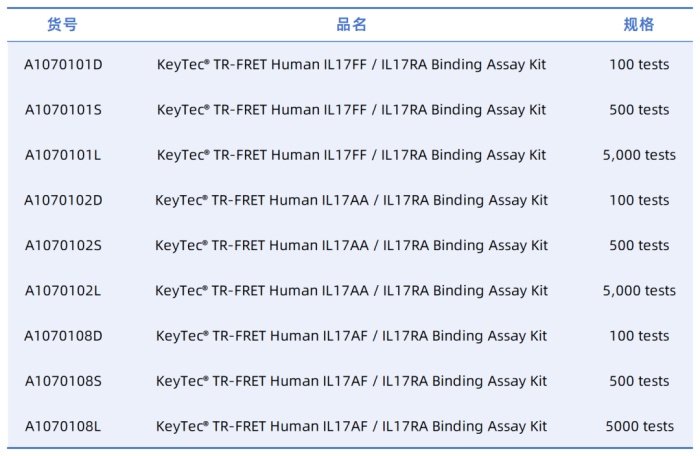
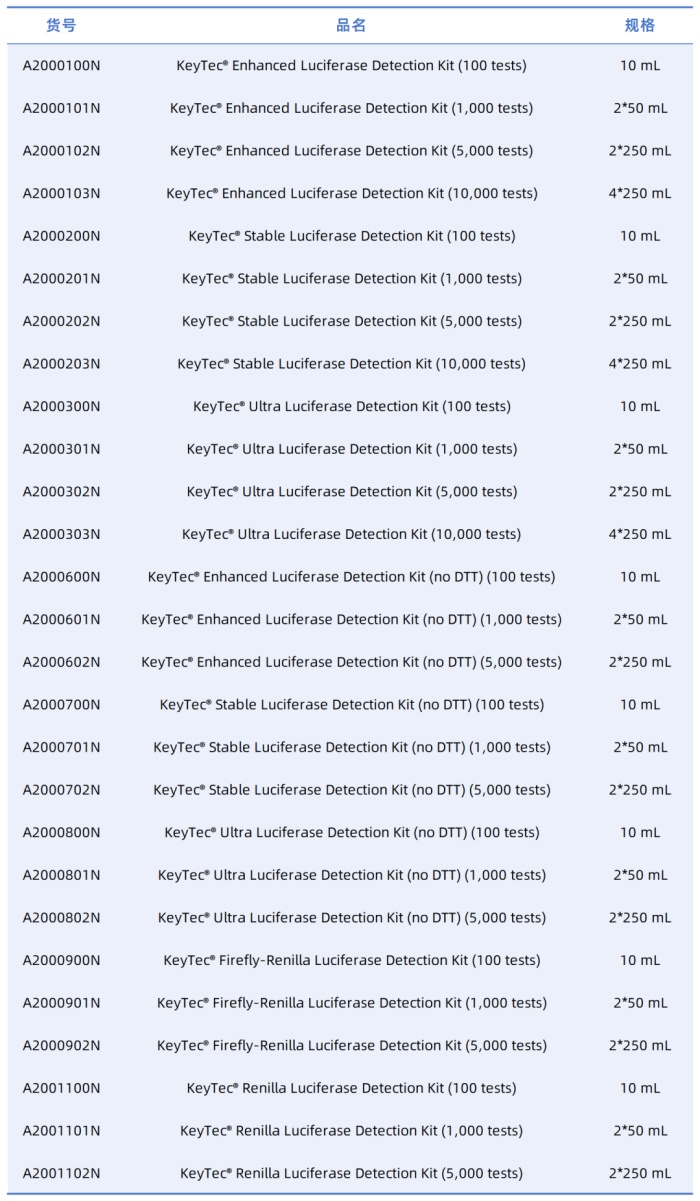
Evaluation of drug activity must extend from target binding to functional effects. Activation of the IL‑17 signaling pathway ultimately regulates the transcription and release of downstream inflammatory factors via NF‑κB and MAPK cascades. To comprehensively assess the regulatory effects of candidate compounds on the IL‑17 pathway, VKEY-BIO simultaneously provides reporter‑gene‑based functional assay systems that sensitively reflect the transcriptional activation level upon IL‑17 stimulation, helping you complete the key functional validation step from "target binding to signal transduction."
Reporter gene product list:

 English